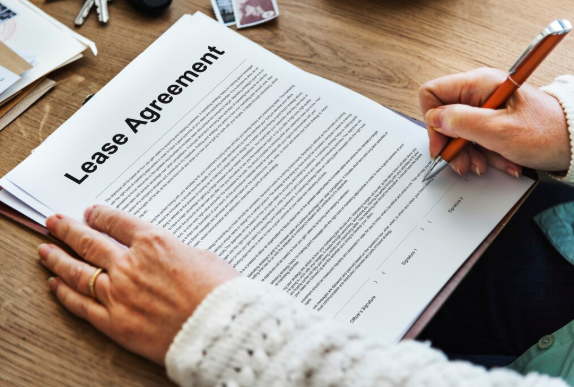
Keeping good tenants is an important part of maintaining a successful rental property. Finding a new occupant takes time, while turnover can create additional costs related to advertising, cleaning, repairs, and vacancy periods. A thoughtful renewal approach can help property owners maintain reliable occupancy while building stronger relationships with residents. Platinum Property Management helps rental owners develop organized strategies that support smoother lease renewals and long-term occupancy.
Effective lease renewal strategies Bozeman property owners can use should focus on communication, fair pricing, tenant satisfaction, and timely planning. The goal is not simply to get a signature on a new lease but to create a rental experience that encourages responsible tenants to stay.
Why Tenant Retention Matters for Rental Properties
Tenant retention can provide greater consistency for property owners and reduce the disruption associated with frequent turnover. A resident who knows the property and understands the lease can also make the transition into another lease term relatively straightforward.
The Cost of Tenant Turnover
When a tenant leaves, owners may face expenses beyond lost rent. These can include:
Property cleaning
Repairs and touch-ups
Marketing
Showing the property
Administrative work
Screening prospective tenants
Vacancy-related costs
Keeping a satisfied tenant can reduce some of these recurring expenses.
Supporting Occupancy Stability
Consistent occupancy helps owners plan their rental income more effectively. Strong relationships, responsive maintenance, and transparent lease discussions can contribute to occupancy stability over time.
Start Renewal Conversations Early
Waiting until the final weeks of a lease can create unnecessary pressure for both the tenant and property owner. Starting the conversation early gives everyone more time to consider the next lease term.
Choose the Right Timing
A renewal discussion can begin several months before the current lease expires. The exact timing may depend on the property, lease terms, market conditions, and management process.
Early communication gives tenants time to ask questions and gives owners time to prepare alternatives if the resident decides to move.
Make Communication Clear
Renewal notices should clearly explain the proposed lease terms, renewal period, rent, deadlines, and any changes. Avoid complicated language that could make important details difficult to understand.
Open communication can also help uncover concerns before they become reasons for a tenant to leave.
Offer Fair and Competitive Renewal Terms
Rent is one of the most important factors in a tenant’s renewal decision. Owners should consider the local rental market, property condition, comparable properties, and the resident’s history before proposing new terms.
Handling Rent Increases Carefully
Rent increases may be necessary as operating costs, maintenance expenses, taxes, or market conditions change. However, a significant increase without explanation can negatively affect the renewal conversation.
When discussing rent increases, provide clear notice and explain any relevant changes in the lease terms. A reasonable approach can make the adjustment easier for residents to understand.
Consider the Value of the Property
Tenants evaluate more than the monthly rental price. They may also consider maintenance responsiveness, location, amenities, property condition, parking, convenience, and overall living experience.
Improving the resident experience can make the renewal offer more compelling.
Use Incentives Strategically
Incentives can sometimes encourage a qualified tenant to renew, particularly when an owner wants to avoid the costs associated with turnover.
Examples of Renewal Incentives
Depending on the property and lease structure, incentives might include:
A small rent credit
Professional carpet cleaning
Minor property upgrades
Flexible lease-term options
Reduced administrative fees
Improvements requested by the tenant
The incentive should make financial sense for the owner while providing meaningful value to the resident.
Avoid Unnecessary Discounts
Not every tenant needs an incentive. If a property is already performing well and the tenant is satisfied, a fair renewal offer and good service may be enough.
Owners should evaluate the overall cost of an incentive against the potential cost of vacancy and turnover.
Improve the Tenant Experience Before Renewal
Renewal conversations should not be the first time an owner thinks about tenant satisfaction. A positive rental experience develops throughout the lease term.
Respond to Maintenance Requests Promptly
Maintenance is often one of the clearest indicators of how much an owner values a property and its occupants. Timely responses can build trust and reduce frustration.
Property management services can help owners establish consistent processes for maintenance communication, vendor coordination, and resident support.
Address Small Problems Before They Grow
Minor issues can become major complaints when they remain unresolved. Regular property reviews and proactive maintenance can help keep the home in good condition.
For owners who use long term rentals, ongoing attention to the property’s condition can contribute to a better resident experience and stronger renewal prospects.
Personalize the Renewal Conversation
A generic renewal message may feel transactional. A more personalized approach can show tenants that their experience matters.
Recognize Good Tenants
When residents consistently pay rent on time, follow the lease, communicate respectfully, and care for the property, acknowledging their positive history can strengthen the relationship.
Owners can express appreciation while presenting the renewal terms clearly and professionally.
Ask for Feedback
A simple question about the tenant’s experience can reveal useful information. Owners may discover that a small improvement could make the tenant more likely to stay.
Feedback can also identify recurring maintenance concerns or communication issues that should be addressed before the next lease term.
Make Renewals Convenient
The easier the renewal process is, the less likely administrative friction is to delay a decision.
Simplify Documentation
Electronic lease documents, clear instructions, and straightforward deadlines can make the process easier for both parties.
Tenants should know exactly what they need to do, when it needs to be completed, and whom to contact with questions.
Provide Flexible Lease Options
Some residents may prefer a longer commitment, while others may need more flexibility. Where appropriate, offering different lease-term options can make renewal more attractive.
Owners should evaluate each option according to their financial goals and property strategy.
Plan for Different Rental Property Types
Renewal strategies may vary depending on how a property is used and managed.
Long-Term Rental Properties
Long-term residents often value predictability, responsive maintenance, and consistent communication. Renewal planning should therefore emphasize stability and a positive ongoing relationship.
Short-Term Rental Considerations
Short-term rentals operate differently from traditional leases. Owners should understand applicable short-term rental rules and local requirements before changing the property’s rental strategy.
Home watch services may also be relevant for owners who leave a property unoccupied between periods of use, although monitoring an empty property is different from managing an active rental.
Consider HOA Requirements
Some rental properties are located within communities governed by homeowners associations. Association requirements may affect leasing practices, property appearance, parking, or occupancy.
Review HOA Rules Before Renewal
Owners should understand whether the association has requirements that affect tenants or leasing arrangements. These rules should be considered before finalizing a renewal.
Understanding Association Responsibilities
Homeowners association management typically focuses on community-wide administration and enforcement rather than individual lease negotiations. Understanding the role of HOA management can help owners distinguish association responsibilities from those handled by a rental manager.
Renewal Planning Starts Before Tenant Placement
Strong renewal results often begin before the tenant moves in. Selecting qualified residents and establishing clear expectations can contribute to a more successful tenancy.
Focus on Quality Tenant Selection
Tenant screening helps owners evaluate applicants against consistent rental criteria before signing a lease. A thorough and fair screening process can support better long-term rental relationships.
Set Expectations From the Beginning
Clear lease terms, maintenance procedures, payment expectations, property rules, and communication channels help establish a strong foundation.
When residents understand what is expected of them and what they can expect from the owner, renewal conversations may become easier later.
Track Renewal Performance
Owners can improve their strategy by reviewing what happens at the end of each lease term.
Monitor Useful Metrics
Consider tracking:
Renewal rate
Average vacancy period
Turnover costs
Rent changes
Maintenance trends
Tenant feedback
Incentive costs
This information can help identify which approaches are producing better results.
Adjust the Strategy Over Time
Rental markets change. What works one year may not be appropriate the next. Owners should periodically review pricing, communication methods, property improvements, and resident expectations.
A flexible strategy makes it easier to respond to market conditions while maintaining strong tenant relationships.
Conclusion: Build a Renewal Process That Encourages Tenants to Stay
Successful lease renewals are built on more than offering a new contract. Fair pricing, early communication, responsive maintenance, meaningful incentives, and a positive rental experience can all contribute to stronger tenant relationships and more consistent occupancy. If you want help creating a practical renewal process for your Bozeman rental property, Contact us at Platinum Property Management to discuss how professional management can support your long-term rental goals.
FAQs
When should landlords start discussing lease renewal?
Starting the conversation several months before lease expiration gives both the owner and tenant enough time to review terms, discuss concerns, and make an informed decision.
Should landlords offer incentives for lease renewals?
Incentives can be useful when they provide value to the tenant and cost less than potential turnover expenses. However, they are not necessary for every renewal.
How should landlords communicate a rent increase?
A rent increase should be communicated clearly and within the required notice period. Providing straightforward information about the new rental amount and lease terms can help maintain trust.
What can landlords do to improve tenant retention?
Responsive maintenance, clear communication, fair lease terms, property improvements, and a positive overall rental experience can encourage qualified tenants to remain in the property.
Can HOA requirements affect lease renewals?
Yes. Some communities have association requirements that may affect leasing, occupancy, or property use. Owners should review applicable association requirements before finalizing a renewal.