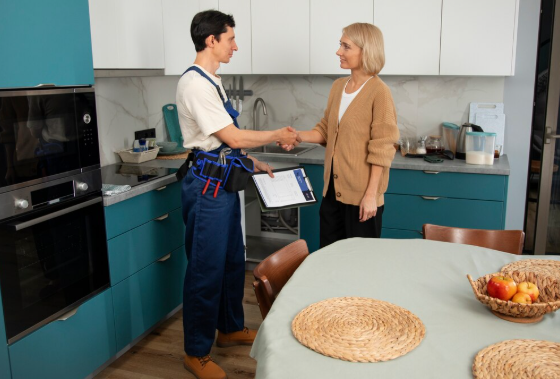
Owning a home in Bozeman can be rewarding, but keeping an eye on an unoccupied property requires consistent attention. Whether you travel frequently, own a vacation home, or spend part of the year elsewhere, regular property checks can help identify problems before they become expensive repairs. Platinum Property Management helps homeowners stay informed about their property’s condition while they are away.
The ideal home watch frequency Bozeman homeowners need depends on the property’s condition, location, season, and how long it remains vacant. A well-planned inspection schedule gives homeowners greater confidence that their property is being monitored while they are away.
What Is a Home Watch Service?
A home watch service provides scheduled visits to an unoccupied property to look for visible signs of damage, maintenance concerns, security issues, or unusual conditions.
Unlike full property management, home watch focuses primarily on monitoring the property and reporting potential problems. A visit may include checking the interior and exterior, looking for leaks, examining doors and windows, and identifying signs of weather-related damage.
Why Regular Property Checks Matter
A vacant home can develop problems without anyone noticing. A small plumbing leak, heating issue, pest problem, or roof concern can become significantly more serious when left unattended.
Regular visits can support early detection and give homeowners an opportunity to arrange repairs before minor concerns escalate.
How Often Should a Property Be Checked?
There is no single inspection frequency that works for every home. The appropriate schedule depends on several factors, including vacancy duration, season, property age, weather exposure, and the home’s systems.
For many vacant properties, a weekly or biweekly visit may provide a practical balance between monitoring and cost. Homes with higher risks or specific maintenance concerns may benefit from more frequent checks.
Weekly Visits for Higher-Risk Properties
Weekly inspections may be appropriate when a property has recently experienced repairs, contains sensitive systems, or is exposed to changing weather conditions.
Frequent visits can help identify issues such as:
Water leaks
Heating or cooling problems
Storm damage
Broken windows or doors
Pest activity
Power interruptions
Unusual odors
Visible safety concerns
Biweekly Checks for Stable Homes
A property with reliable systems and minimal known risks may be suitable for visits every two weeks. This schedule can still provide regular oversight without requiring weekly monitoring.
Homeowners should review the frequency periodically, especially when seasons or property conditions change.
How Seasons Affect Home Watch Frequency
Bozeman’s changing weather conditions can influence how often a vacant property should be inspected. Different seasons can introduce different risks, making flexible monitoring plans useful.
Winter Monitoring
Cold weather can increase concerns related to freezing temperatures, heating systems, snow, and ice. A vacant property should be checked regularly to identify signs of heating failure, frozen pipes, roof issues, or other winter-related problems.
After significant snowfall or severe weather, an additional inspection may also be appropriate.
Spring and Summer Checks
Spring can reveal damage that occurred during winter. Melting snow may expose drainage problems, roof damage, or water intrusion.
During summer, inspections may focus more heavily on landscaping, irrigation, pests, exterior conditions, and cooling systems.
What Happens During a Home Watch Inspection?
A professional visit should follow a consistent checklist rather than relying on a quick visual glance. The exact process depends on the property and the homeowner’s requirements.
Interior Monitoring
An inspection may include checking:
Plumbing fixtures and visible pipes
Heating and cooling systems
Appliances
Doors and windows
Ceilings and walls for visible moisture
Electrical panels for obvious concerns
Unusual odors or signs of pests
The goal is not to replace professional repairs or technical inspections. Instead, regular monitoring helps identify visible warning signs that may require further attention.
Exterior Monitoring
Exterior checks may include looking at siding, roofing, gutters, doors, windows, landscaping, fences, and other visible features.
After severe weather, an exterior inspection can help identify damage that might otherwise remain unnoticed until the homeowner returns.
How Home Watch Differs From Property Management
Home watch is focused on observing an unoccupied property and reporting issues. Property management typically involves broader responsibilities related to tenants, rentals, maintenance coordination, and property operations.
Property management services may be more appropriate when an owner rents out a property or needs someone to manage ongoing occupancy.
When Rental Management Is Needed
Owners who rent their properties may need services that go beyond periodic inspections. Depending on the rental arrangement, responsibilities can include coordinating maintenance, communicating with occupants, managing payments, and overseeing property-related administration.
This distinction is important for owners considering long term rentals or other occupancy arrangements.
Home Watch and HOA-Related Responsibilities
Some properties are located within communities governed by an association. In these situations, homeowners may need to understand how association requirements interact with property monitoring.
Understanding Community Requirements
Homeowners should review HOA rules concerning exterior appearance, landscaping, parking, seasonal maintenance, trash collection, and other property responsibilities.
Regular home checks can help identify issues that could otherwise lead to notices or violations.
The Role of HOA Management
The role of HOA management generally includes administering community policies, coordinating association operations, communicating with residents, and helping enforce established requirements.
Homeowners should understand that association management and home watch are different functions. A home watch provider monitors the individual property, while association management addresses community-level responsibilities.
How Home Watch Supports Risk Prevention
Consistent monitoring is primarily about early detection. The sooner a visible issue is discovered, the sooner the homeowner can decide whether professional intervention is necessary.
Identifying Problems Before They Escalate
A small water stain may indicate a developing leak. A non-functioning furnace during cold weather could create serious risks. A damaged window may create security and weather concerns.
Routine visits support risk prevention by helping homeowners become aware of these conditions sooner.
Creating a Customized Monitoring Plan
Every property has different needs. A customized monitoring plan can account for the home’s age, systems, location, occupancy status, seasonal exposure, and homeowner preferences.
For example, a property with known plumbing concerns may require closer monitoring during freezing weather than a newer home with recently serviced systems.
How Rental Rules Can Affect Property Monitoring
Owners who rent their properties should consider the requirements associated with their specific rental arrangement.
Short-Term Rental Considerations
Properties used as vacation rentals may be subject to local requirements, community policies, and occupancy restrictions. Owners should understand applicable short-term rental rules before operating a property as a vacation accommodation.
A home watch provider can monitor the physical condition of the property, but homeowners remain responsible for understanding and complying with applicable rental regulations.
Tenant-Related Responsibilities
Properties occupied by tenants require a different management approach. Tasks such as tenant screening, lease administration, rent collection, and tenant communication generally fall under rental management rather than traditional home watch.
How to Build an Effective Inspection Schedule
A useful schedule should be consistent but flexible enough to respond to changing circumstances.
Consider the Property’s Risk Factors
When determining visit frequency, consider:
How long the property will remain vacant
The age and condition of the home
Plumbing and heating system risks
Seasonal weather
Recent renovations or repairs
Security concerns
Previous maintenance problems
Distance from the homeowner
These factors can help determine whether weekly, biweekly, or another schedule makes sense.
Adjust Checks When Conditions Change
A fixed schedule may not always be enough. Severe storms, extreme temperatures, extended power outages, or known maintenance problems may justify an additional visit.
The best inspection schedules are therefore responsive rather than purely calendar-based.
Choosing the Right Home Watch Approach
A reliable home monitoring arrangement should provide clear expectations about visit frequency, inspection areas, reporting, and emergency communication.
Homeowners should ask what each visit includes, how concerns are documented, when reports are delivered, and how urgent problems are communicated.
Clear expectations help ensure that the service matches the property’s actual needs.
Conclusion
The right home watch frequency Bozeman homeowners choose depends on the property’s condition, vacancy period, seasonal risks, and individual monitoring needs. Regular inspections can help detect leaks, weather damage, heating problems, security concerns, and other issues before they become larger problems. If you want dependable oversight while you’re away, Contact us Platinum Property Management to discuss a monitoring approach designed around your property’s needs and gain greater peace of mind when you’re not there.
FAQs
How often should a vacant home be checked?
Many vacant properties benefit from weekly or biweekly visits, but the ideal frequency depends on the home’s condition, season, location, and potential risks.
Is weekly home monitoring necessary during winter?
Weekly checks can be particularly useful during winter because freezing temperatures and heating problems can cause significant damage if they go unnoticed.
What does a typical home watch inspection include?
A visit may include visual checks of the property’s interior and exterior, plumbing, heating and cooling systems, doors, windows, signs of moisture, and other visible concerns.
Can home watch services replace property management?
No. Home watch generally focuses on monitoring an unoccupied property. Property management covers broader responsibilities such as rental administration, tenant communication, and ongoing maintenance coordination.
Can a home watch schedule be changed during severe weather?
Yes. Additional visits may be appropriate after heavy snow, storms, extreme temperatures, power outages, or other conditions that could increase the risk of property damage.